Logging Off the Algorithm: Why Smart Streamers Are Going Small on Purpose

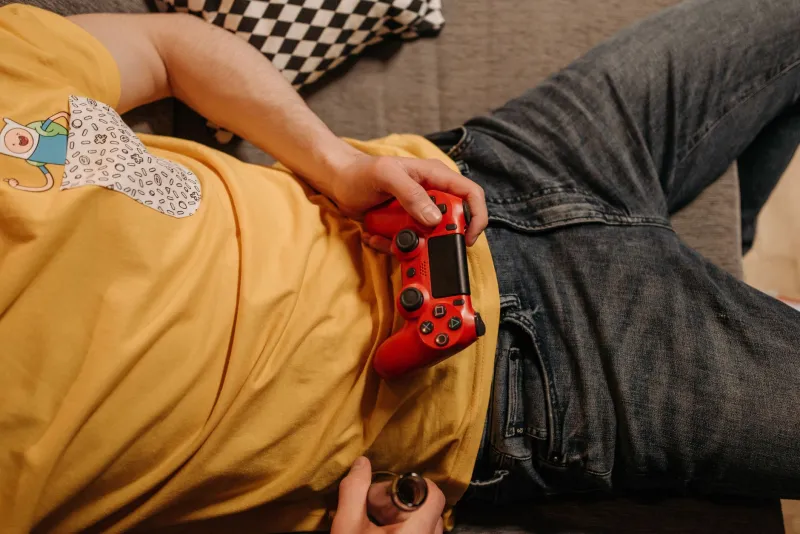
Photo by Photo by Branden Skeli on Unsplash on Unsplash
For years, the playbook for gaming content creators looked pretty much the same: go live as often as humanly possible, chase trending games, optimize your thumbnail, pray to the algorithm gods, and repeat until you either broke through or broke down. A lot of streamers did both.
But something is shifting. Quietly, then all at once, a meaningful chunk of mid-tier and even well-known gaming creators are stepping off that treadmill entirely. They're not quitting — they're redirecting. Instead of grinding for Twitch follows or YouTube subscribers, they're building smaller, invite-only spaces: private Discord servers, subscriber-only Patreon tiers, and niche platforms like Locals or Fourthwall. And many of them say it's the best career move they've ever made.
The Algorithm Isn't Your Friend (And Streamers Figured That Out)
Here's the thing about algorithmic platforms: they need you more than you think, but they'll never act like it. Twitch's discoverability problem has been an open secret in the streaming community for years — unless you're already pulling thousands of concurrent viewers, the platform offers almost no organic reach for smaller creators. YouTube's recommendation engine rewards consistency and volume above almost everything else, which means creators feel compelled to post on schedules that would exhaust a full-time employee.
The result? Burnout has become almost a rite of passage in streaming culture. Creators who once played games for joy start treating their setups like content factories. The game on screen stops mattering; what matters is whether it's trending, whether it has a big enough audience, whether it'll get picked up by the algorithm this week.
Streamers who've been through that cycle describe it in remarkably similar terms: you stop playing games and start performing them.
What a Private Community Actually Looks Like
The alternative these creators are building isn't complicated — it's just different in philosophy. A streamer who once chased 500 concurrent viewers might now host a members-only Discord with 300 people who actually show up, actually talk, and actually pay a monthly subscription to be there. The economics, counterintuitively, often work out better.
Consider the math. A mid-tier Twitch streamer with 800 average viewers might pull in $2,000 to $3,500 a month after platform cuts, ad revenue, and a modest subscriber base. That same creator, with a Patreon community of 400 paying members at $7 to $10 a month, clears a similar or higher number — with more predictable income, no algorithm anxiety, and the freedom to stream whatever they actually want to play.
That last part matters more than people outside streaming culture might expect. When you're not chasing trends, you can go back to the games that made you fall in love with gaming in the first place. You can spend three weeks on a weird indie title nobody's heard of because your community came specifically to watch you, not whatever's topping the Twitch directory.
"I Started Enjoying Streaming Again"
That's the phrase that comes up over and over when you talk to creators who've made this transition. The joy came back. Not because the audiences are smaller — but because the relationship with those audiences is fundamentally different.
In a private community, members tend to be invested in the creator as a person, not just a source of entertainment. They remember inside jokes from six months ago. They show up to watch a game they've never heard of because they trust the streamer's taste. They're not passive viewers waiting to be entertained; they're participants in something ongoing.
That shift — from audience to community — changes the entire dynamic of what streaming feels like. It's less performance, more hanging out. Which, if you think about it, is probably why most of these people started streaming in the first place.
The Money Side Nobody Talks About Publicly
There's a financial reality here that the broader gaming media doesn't discuss much, partly because it complicates the "go viral or go home" narrative that dominates creator culture conversations.
Direct subscription models cut out a lot of middlemen. Patreon takes a percentage, but it's transparent and predictable. Platforms like Fourthwall let creators sell merch and memberships with better margins than most third-party setups. And because private communities tend to retain members longer than casual followers stick around on public platforms, the revenue compounds in a way that algorithm-dependent income rarely does.
Some creators supplement their private communities with occasional public streams — keeping a small Twitch or YouTube presence as a discovery funnel while doing their real content work behind a paywall. It's a hybrid model, and it's increasingly common among streamers who've been in the game long enough to think strategically about sustainability.
What This Means for Gaming Culture Broadly
This trend has implications beyond individual creator finances. When the most thoughtful, experienced voices in gaming content start moving to private spaces, it changes what's visible in the broader culture. Public platforms skew younger, louder, and more reactive. The nuanced conversations — about game design, about the history of a genre, about what makes something worth playing — increasingly happen behind closed doors.
That's not necessarily bad. It means those conversations exist somewhere. But it does mean that anyone who wants to participate in the more substantive side of gaming content might need to actually seek it out, subscribe, and show up consistently. Passive consumption gets you the algorithm's version of gaming culture. Active participation gets you something richer.
Play Henry's Take
The creators who are thriving in this new model aren't abandoning gaming content — they're doubling down on what made gaming content worth watching in the first place. Real enthusiasm. Genuine conversation. The sense that you're playing alongside someone, not just watching them perform.
If anything, the move toward private communities is a correction. The algorithm era pushed streaming toward spectacle. The community era is pulling it back toward connection.
For the gamers watching this shift happen, the ask is simple: find a creator whose taste you trust, and actually support them. Not with a follow that gets buried in a feed — with a subscription, a Discord membership, a real investment in the space they're building. That's how the best gaming content survives the algorithm's gravity.
And honestly? It's a lot more fun on the other side.