Controllers Get Passed Down: How Gaming Families Are Writing a New Playbook Together
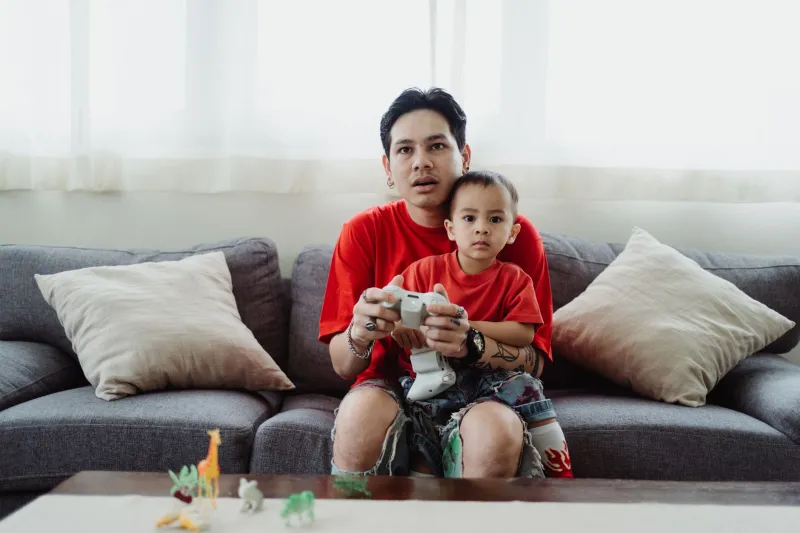
There's a moment every gamer parent knows. You're deep into a level you've played a hundred times, your kid wanders over, plops down on the couch, and suddenly asks if they can try. You hand over the controller — maybe a little reluctantly — and something shifts. It's not just a game anymore. It's a handoff.
Across the US, millions of households are experiencing exactly that. The generation that grew up on Super Mario, Sonic, and the original PlayStation is now in their 30s and 40s, raising kids who have never known a world without streaming, touchscreens, and day-one patches. And instead of steering their children away from gaming, these parents are leaning in — hard.
From Basement Hobby to Living Room Tradition
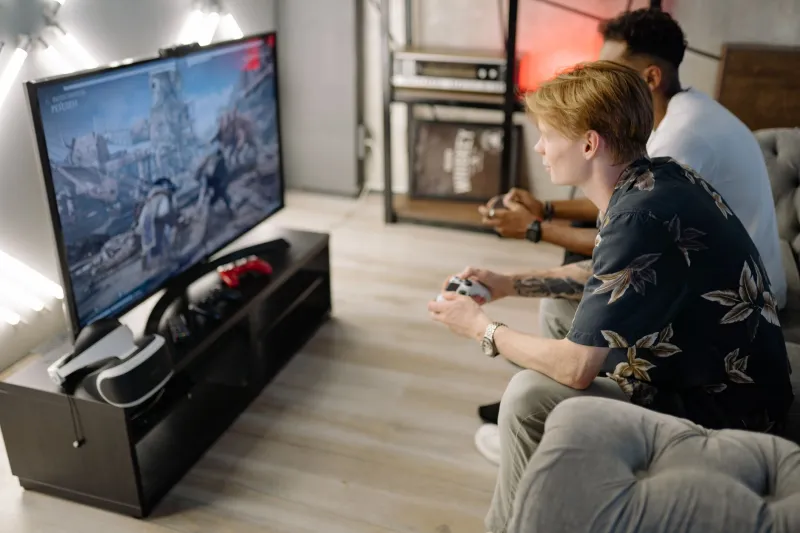
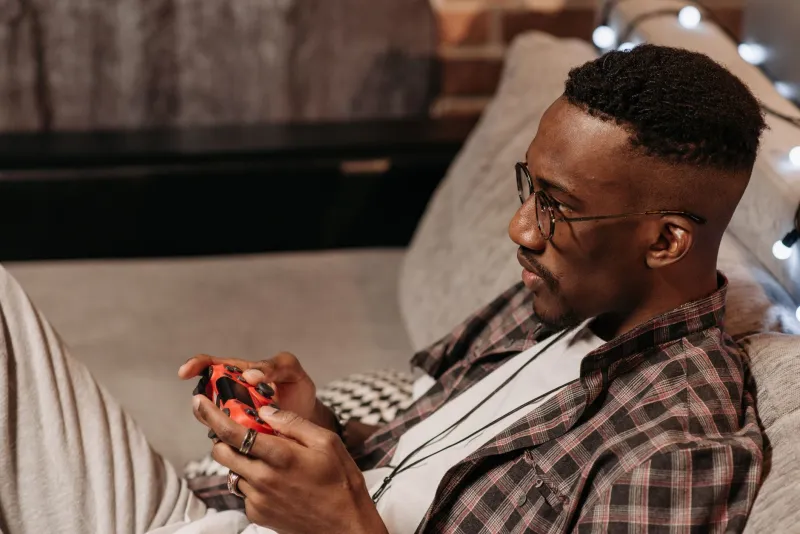
Not long ago, gaming was something you did alone, or maybe with a sibling, usually hidden away somewhere your parents couldn't see the screen. That image is officially outdated. Family gaming has become a legitimate household ritual for a huge chunk of American families, right up there with movie nights and backyard cookouts.
The difference now is that the parents aren't just supervising — they're playing. A dad who spent his college years grinding through Final Fantasy VII isn't going to sit on the sidelines when his nine-year-old discovers Minecraft. A mom who still has strong opinions about the best Zelda game isn't going to hand over the Switch without at least jumping in for a few dungeons.
This shift matters because it completely changes the dynamic. Gaming stops being something kids do in spite of their parents and starts being something families build together.
Finding the Games That Actually Work for Everyone
Not every game translates across a 30-year age gap, and figuring out what clicks for the whole family takes some trial and error. Gamer parents tend to have strong instincts here, and the results are genuinely interesting.
Cooperative games are the clear winners. Titles like It Takes Two, Overcooked, Stardew Valley, and LEGO franchise games keep showing up in conversations about family favorites because they require teamwork instead of competition. Nobody's getting eliminated, nobody's score is embarrassing anyone, and there's a shared goal pulling everyone forward.
Platformers have staying power too. Super Mario Odyssey, Kirby and the Forgotten Land, and Rayman Legends hit that rare sweet spot where a six-year-old and a forty-year-old can both find something to enjoy. The mechanics are accessible enough for younger players without being so simple that experienced gamers zone out.
Then there are the legacy titles — the games parents grew up with that hold up surprisingly well. Introducing a kid to the original Donkey Kong Country or booting up a classic Sonic collection isn't just nostalgia. It's context. It's showing a child where the things they love came from.
What Parents Are Actually Teaching Their Kids
Ask gamer parents what they're passing on, and the answers go way beyond button inputs and combo moves. Patience comes up constantly. Gaming, especially anything with a difficulty curve, teaches kids that failure isn't final — it's just information. You died, you learned something, you go again. That's a lesson with applications well outside the living room.
Problem-solving is another big one. Puzzle games, strategy titles, even navigating an open world map — these activities build genuine cognitive flexibility. Kids who game regularly with engaged parents often develop strong spatial reasoning and the ability to think several steps ahead.
There's also something quieter happening: communication. Sitting next to someone and working through a challenge together, even a virtual one, creates conversation. Parents report that some of their best talks with their kids happen during or right after a gaming session, when guards are down and the atmosphere is relaxed.
Here's the Plot Twist — Kids Are Teaching Back
Anyone who assumed this relationship only flows one direction hasn't spent much time watching a ten-year-old explain a game mechanic to their parent.
Kids today are fluent in gaming culture in ways that can genuinely humble their parents. They understand meta, they follow streamers, they absorb patch notes like it's nothing. A parent who learned gaming in the era of instruction booklets and GameFAQs is often working with a completely different mental model than their child, who has grown up watching YouTube tutorials and playing games designed with constant online updates in mind.
The result? Parents are learning to adapt faster, to look up information instead of just grinding through blind, and to engage with gaming communities in ways they never did solo. Kids are natural teachers when they feel like the expert in the room, and gaming gives them that platform in a way few other household activities do.
The Screen Time Conversation (Yes, We're Going There)
No article about family gaming would be complete without acknowledging the thing every parent wrestles with: how much is too much?
The research on this is more nuanced than the headlines suggest. Context matters enormously. An hour of cooperative gaming with a parent present is a fundamentally different experience than three hours of solo play with no interaction. Most pediatric guidance focuses less on hard time limits and more on whether gaming is crowding out sleep, physical activity, or face-to-face social time.
Gamer parents tend to navigate this with a little more confidence than parents who didn't grow up with controllers in their hands. They understand the pull of gaming from the inside. They know when a kid is at a save point versus mid-boss fight, and they can calibrate accordingly. That fluency helps.
Content ratings are another area where gamer parents have an edge. They actually read the ESRB labels, they know what T for Teen actually means in practice, and they're more likely to preview a game before handing it over. The parental controls built into modern consoles are more robust than ever, and parents who know their way around a settings menu are well-equipped to use them.
Building Something That Lasts
Here's the part that doesn't get talked about enough: the memories being made in these gaming sessions are real, and they're going to stick.
The kid who finally beat a boss with their dad cheering from the couch is going to remember that. The parent who watched their daughter figure out a puzzle they'd been stuck on for twenty minutes is going to remember that too. These aren't throwaway moments — they're the kind of shared experiences that define relationships.
Gaming has always been capable of creating community. That's what Play Henry is built around, after all. But there's something especially powerful about the community that forms inside a single household, across a generation gap, over a shared screen.
The great game handoff is real. And from where we're sitting, it looks like everyone's leveling up.