Wait, I'm Actually Good at This? How Everyday Gamers Are Unlocking Skills They Never Knew They Had
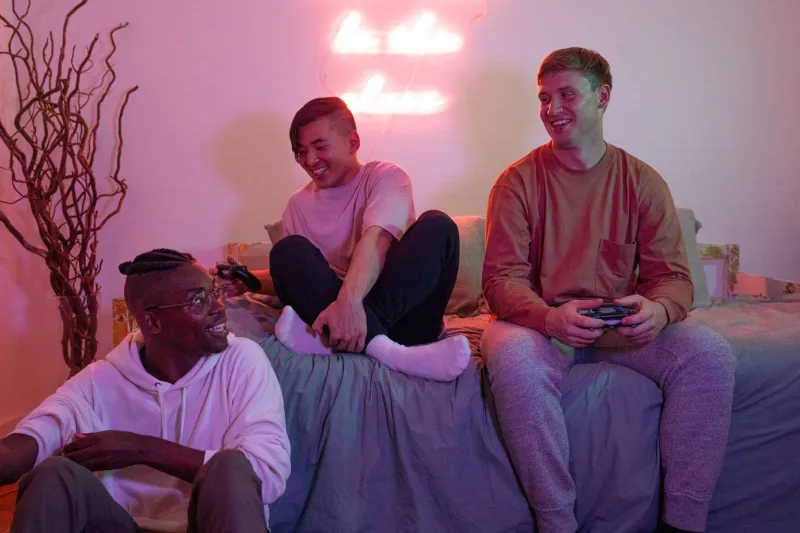
For most of his adult life, Marcus Delgado considered himself a "Sunday gamer" — someone who picks up a controller after the kids are in bed and the dishes are done. He'd been playing The Legend of Zelda: Ocarina of Time on and off since middle school. Nothing competitive about it. Just comfort food gaming.
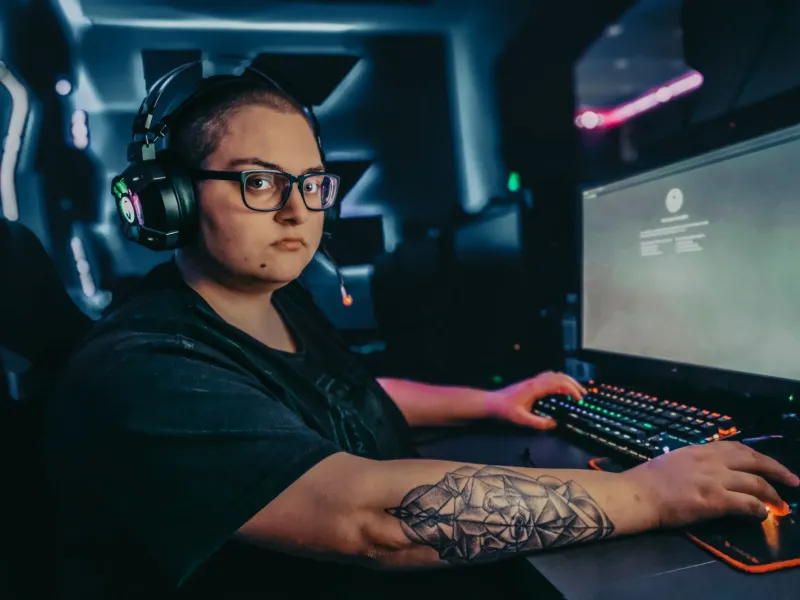
Then, on a whim, he joined a Discord server for OoT fans. Someone mentioned a beginner-friendly category called "Any% No Major Glitches." Marcus figured he'd try it once, just for fun. Three months later, he had a personal best that put him in the top 30% of runners on Speedrun.com. He hadn't changed his schedule. He hadn't bought new hardware. He just... got better.
"I genuinely didn't think I had it in me," he says. "I always assumed speedrunning was for people who had been gaming competitively since they were kids. Turns out I was just never given a reason to push myself."
Marcus isn't an anomaly. Across Twitch streams, Reddit threads, and Discord servers, a quiet revolution is happening — and it's being led by people who never once considered themselves skilled gamers.
The Psychology Behind the Accidental Upgrade
There's a concept in psychology called the "Dunning-Kruger effect," but there's a flip side that doesn't get talked about as much: a lot of people dramatically underestimate their own abilities. In gaming, this is surprisingly common. Casual players often benchmark themselves against highlight reels — the jaw-dropping Twitch clips, the YouTube world record runs — and assume there's an uncrossable gap.
But speedrunning, especially at the entry level, doesn't ask you to be superhuman. It asks you to be intentional.
"Most casual gamers already have the fundamentals," says Jordan Kress, who coaches beginner speedrunners through a program called Pace Setters on Discord. "They know the games they love deeply. They just haven't been taught to apply that knowledge systematically. Once they do, progress comes fast — sometimes shockingly fast."
Kress has worked with over 200 beginner runners in the past two years. A large chunk of them came from zero competitive background. Many are parents, full-time workers, people with maybe six to eight hours of gaming time per week. The results, he says, consistently surprise even him.
Modern Tools Made This Possible
Ten years ago, getting into speedrunning meant cobbling together information from scattered forums, reverse-engineering routes yourself, and hoping someone in a niche IRC channel would answer your questions. Today, the infrastructure is almost shockingly accessible.
LiveSplit, a free timer app, tracks your run in real time and compares your splits to your personal best. Speedrun.com catalogs world records, leaderboards, and approved routes for thousands of games across every platform imaginable. YouTube tutorials for specific skips and strategies are often just a search away. And Discord communities for individual games — even obscure ones — are almost always active and beginner-friendly.
The data side of things has been a particular game-changer. Runners can now analyze exactly where they're losing time, down to the second. It turns improvement from a vague goal into a concrete puzzle. For analytically-minded casual players who never thrived in the chaos of competitive multiplayer, this structure is genuinely revelatory.
"I'm an accountant," says Priya Nambiar, who started running Hollow Knight last year after a decade of calling herself "not a skilled gamer." "The numbers-based approach just clicked for me. I wasn't competing against other people — I was competing against my own data. That felt manageable."
Priya now streams her runs twice a week to a modest but loyal audience. She's never once considered herself an esports player, but she's become a legitimate part of a competitive community.
Challenge Runs Are Another On-Ramp
Speedrunning isn't the only path. Challenge runs — Nuzlocke playthroughs in Pokémon, randomizers, low-percent completions, self-imposed rule sets — have become their own thriving ecosystem, and they're pulling in casual players by the thousands.
What makes challenge runs particularly powerful is that they reframe skill entirely. You're not trying to be faster than someone else. You're trying to solve a problem with artificial constraints. It turns familiar games into new puzzles, and it forces players to think about mechanics they'd previously taken for granted.
Kress sees this a lot with his students. "Someone will come in saying they're bad at games. Then I'll watch them improvise a solution to a challenge run problem that I wouldn't have thought of. That's not a bad gamer — that's a creative thinker who just needed a different kind of challenge."
The Community Is the Secret Ingredient
Ask any accidental speedrunner what actually made the difference, and almost universally, they'll point to the people around them.
Speedrunning communities — at least the healthy ones — have developed a culture of radical patience with beginners. Part of this is practical: more runners mean more route discoveries, more eyes on potential optimizations. But a lot of it is just genuine enthusiasm for sharing something people love.
"Nobody laughed at my times," Marcus says. "People would watch my runs and say, 'Hey, you could save three seconds here if you do this.' That's it. Just helpful, specific feedback. I've never experienced that in any other gaming space."
This kind of low-stakes mentorship is exactly what casual players need — and historically haven't had access to. The gap between "person who plays games" and "person who is good at games" has never been smaller, and the speedrunning community is a big reason why.
You Don't Have to Go for World Records
Here's the thing that often gets lost in coverage of speedrunning: most runners will never get close to a world record, and most of them genuinely don't care. The appeal isn't the leaderboard placement. It's the process — the satisfaction of shaving five seconds off a boss fight, the rush of finally nailing a tricky skip, the community of people who get excited about the same nerdy details you do.
For casual gamers who've spent years feeling like gaming's competitive side wasn't for them, that realization is quietly life-changing.
Marcus still games after the kids go to bed. He's still a Sunday gamer, more or less. But now he has a timer running, a Discord server open, and a personal best he's actively trying to beat. He didn't become a different kind of gamer. He just found out what kind of gamer he already was.
Maybe it's time you did the same. Pick a game you know by heart. Look up the beginner category. Set a timer. See what happens.
You might surprise yourself.