Stop Living in the Past: Gen Z Gamers Are Done Worshipping the Classics

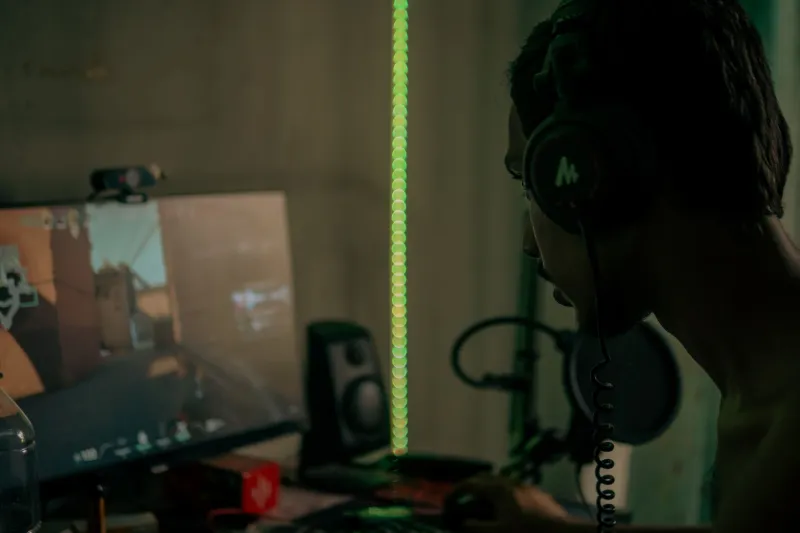
Photo by Photo by Sean Do on Unsplash on Unsplash
Ask a millennial gamer what the greatest era of gaming was and you'll probably get an answer involving Super Mario World, the original PlayStation, or maybe the golden age of PC gaming in the late '90s. Ask the same question to someone born after 2000 and you might get a blank stare — not because they don't have opinions, but because the premise of the question doesn't really land for them.
Why would the best era of gaming be one that ended before you were old enough to hold a controller?
This is the quiet cultural shift that's been building in gaming communities for a few years now, and it's starting to reshape everything from what games get made to how streaming communities organize themselves. Gen Z — and the younger end of the millennial spectrum — is done performing reverence for eras they didn't live through. They're too busy building their own.
The Nostalgia Industrial Complex
Gaming culture has had a complicated relationship with its own past for a long time. The reverence for retro games — particularly the 8-bit and 16-bit eras — became so institutionalized that it started functioning less like appreciation and more like gatekeeping. To be taken seriously as a gamer, you were supposed to know your SNES library, respect the Atari lineage, and understand why Ocarina of Time changed everything.
For gamers who grew up with those experiences, that reverence is completely genuine and understandable. But it created a weird hierarchy where the legitimacy of gaming history seemed to flow backward — as if the further back you could trace your influences, the more credibility you had.
The gaming industry leaned into this hard. Remasters, remakes, and retro-style indie games flooded the market through the 2010s, catering to a generation of adults willing to pay premium prices to relive their childhoods. Nintendo built an entire business model around it. And for a while, it worked beautifully.
But something changed when the generation that grew up on Minecraft, Fortnite, and Among Us started showing up in gaming discourse with their own strong opinions — and those opinions weren't organized around nostalgia at all.
A Different Kind of Canon
Here's what's interesting about the games Gen Z and younger millennials are rallying around: they're not retro throwbacks. They're not even necessarily big-budget blockbusters. The titles that have become culturally defining for this generation — Hollow Knight, Stardew Valley, Hades, Celeste, Undertale, Disco Elysium — are indie or AA games built by small teams, often with unconventional mechanics and storytelling approaches that would have been considered uncommercial ten years ago.
These games aren't beloved because they evoke something older. They're beloved because they did something new, something emotionally resonant, something that felt specifically tuned to the anxieties and sensibilities of the people playing them right now. Celeste is a game about mental health. Hades reimagined what narrative structure in action games could look like. Disco Elysium built an RPG around political philosophy and self-destruction. These aren't games that look backward for validation.
And crucially, the communities around these games are treating them with the same weight that older generations treated their formative titles. The Hades fandom isn't waiting for the game to age into classic status — they're already writing essays, creating fan art, running speedrun communities, and building the kind of cultural infrastructure that turns a game into a landmark.
How This Is Reshaping Game Design
Game studios are paying attention to this shift, even if they don't always articulate it in those terms. The indie renaissance of the past decade was partly a market response to an audience that was hungry for games that didn't feel obligated to reference the past. And the success of that era has had a measurable impact on what larger studios are willing to greenlight.
AA development — the middle tier between massive AAA productions and solo indie projects — is experiencing something of a revival, driven partly by the appetite for games that take creative risks without needing to sell ten million copies to justify their existence. Publishers are increasingly willing to back games that have a strong creative identity and a passionate niche audience, because they've watched indie titles build those audiences organically and profitably.
The design priorities in these games often reflect younger players' values in ways that are pretty direct. Accessibility options are more robust. Narrative representation is broader. The assumption that difficulty and punishment are inherently virtuous — a holdover from an era when arcade economics demanded you keep inserting quarters — is being questioned openly, both by designers and by the communities playing the games.
Streaming Culture and the New Canon
The way younger gamers consume streaming content reflects this shift just as clearly as the games themselves. On Twitch and YouTube, the channels pulling the biggest audiences in the under-25 demographic aren't primarily built around retro gaming or nostalgia content. They're organized around current releases, live-service games with ongoing communities, and the kind of collaborative, reactive content that treats gaming as a social experience happening in real time.
Games like Valorant, Apex Legends, and League of Legends dominate esports viewership among younger audiences not because they have decades of history behind them, but because they're living documents — constantly updated, constantly contested, constantly generating new moments worth watching. The history being made in those games is happening right now, and that immediacy is a feature, not a limitation.
Even the way gaming communities talk about their favorite titles has changed. The framing of "this is a classic" used to be retrospective — applied to games after years of distance confirmed their importance. Now younger communities apply that framing in real time, designating games as essential while they're still actively being played. It's a confidence in the present moment that older gaming culture sometimes struggled to access.
Writing the Next Chapter
None of this means the games of the '80s and '90s don't matter or that learning gaming history is pointless. The best of those titles hold up precisely because they solved real design problems in creative ways, and understanding how they did that is genuinely useful for anyone who loves games deeply.
But the expectation that younger players should organize their gaming identity around eras they didn't experience — that they should perform nostalgia for someone else's childhood — is fading. And honestly, that's healthy.
Every generation of gamers deserves to have their own formative experiences treated as legitimate, as worthy of serious conversation, as the foundation of something real. The fact that Gen Z is asserting that claim loudly and building the communities, the content, and the critical frameworks to back it up isn't disrespect for gaming's past.
It's exactly what a living culture is supposed to do.
At Play Henry, we think that's worth celebrating. The history of gaming doesn't end with the games you grew up on. It's being written right now, and everyone with a controller in their hands is part of the story.