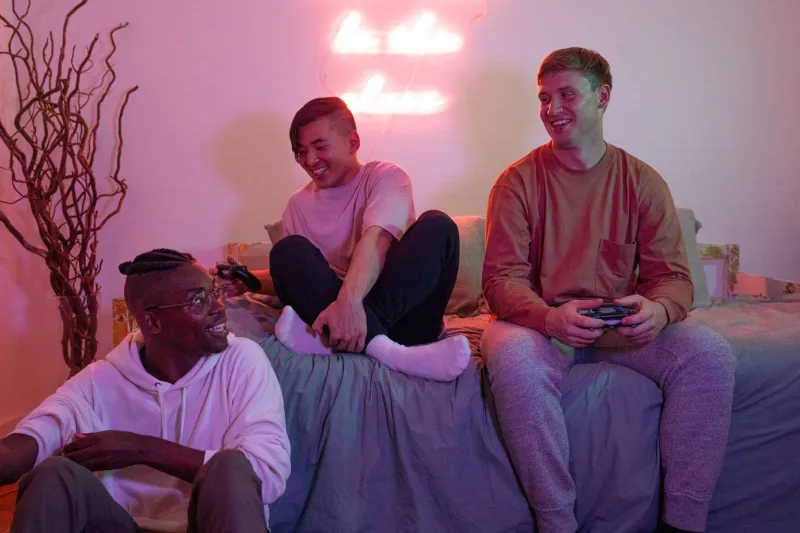
Your Controller Is Your Ticket: The Real Path From Living Room Gamer to Esports Competitor
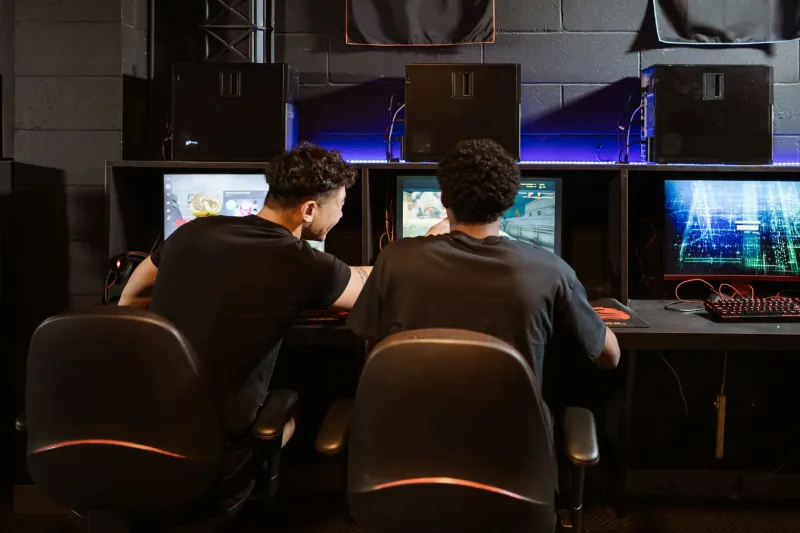
Not long ago, the idea of a 28-year-old accountant from Ohio or a mom from Austin, Texas hopping into a competitive esports tournament felt like a punchline. Esports was a world of prodigies, energy drinks, and 10,000-hour practice regimens. But 2024 has a different story to tell — and it's one a lot of casual players are starting to write for themselves.
The competitive gaming ecosystem has quietly undergone a structural shift. More titles are designed with accessibility in mind, regional amateur circuits have exploded in number, and streaming platforms have made it genuinely possible to build a competitive reputation from your spare bedroom. If you've ever muted your TV during a tournament broadcast and thought, I could do that — this one's for you.
The Titles That Actually Welcome Newcomers
Let's be honest: jumping into Dota 2 or StarCraft II cold is a rough time. Those games have skill ceilings so high they're practically in orbit. But the competitive scene in 2024 includes a growing roster of titles that have deliberately flattened their learning curves without sacrificing depth.
Rocket League remains one of the best entry points. The concept — soccer, but with rocket-powered cars — takes about 20 minutes to grasp and a lifetime to master. Psyonix's rank system is genuinely fair, and the Rocket League Championship Series has feeder programs that go all the way down to local community brackets.
Valorant from Riot Games is another strong bet. Its tactical shooter mechanics reward smart decision-making over raw twitch speed, meaning players who think before they shoot can climb ranks even without elite reflexes. Riot has also built out a robust amateur infrastructure through its Valorant Game Changers and Challengers programs.
EA Sports FC 25 and the broader sim-sports category are criminally underrated as competitive entry points. If you already know football (the real kind, with cleats), you've got a head start that raw mechanical skill can't replicate.
Real Players, Real Jumps
We talked to a few folks who actually made the transition — no pros, no sponsored players, just regular people who decided to take their game seriously.
Marcus, a 31-year-old from Charlotte, North Carolina, started playing Rocket League casually in 2021. "I was Diamond rank and thought that was my ceiling," he told us. "Then I started watching VODs of my own matches like people said to do on Reddit, and within four months I hit Champion. I entered a local open tournament last spring and went 3-2. Didn't win anything, but I was competing. That felt huge."
Jessica, 26, from Seattle, took a different route through Valorant. "I started streaming my ranked games, not because I thought I'd get famous, but because it made me play more carefully. Knowing people could watch made me think more. I got recruited into an amateur team through my Discord community. We've placed top eight in two regional qualifiers this year."
Their stories aren't outliers anymore. They're a pattern.
Building Your Stack: Streaming, Networking, and Getting Noticed
Here's the part most guides skip over: raw skill alone won't get you into competitive play. You need visibility. That's where streaming and community networking come in.
Starting a Twitch or YouTube channel doesn't require a broadcast studio. A decent headset, a stable internet connection, and consistent scheduling will get you further than expensive gear. The goal early on isn't viewers — it's creating a record of your gameplay and building relationships with other players in your niche.
Join the Discord servers for your game of choice. Not just to lurk, but to contribute. Answer questions, share clips, participate in community tournaments. Amateur esports organizations like Battlefy, Checkmate Gaming, and FACEIT host tournaments at every skill level and are genuinely accessible to first-timers.
Coaching is also more affordable than most people realize. Platforms like ProGuides and Metafy connect you with experienced players who can analyze your gameplay for rates that won't break the bank. Even one or two sessions can identify the mechanical or strategic gaps holding you back.
Tournament Prep: Treat It Like a Sport
Once you're ready to register for your first event, the mental and physical preparation matters more than most gamers expect.
Sleep is not optional. Reaction time, decision-making, and tilt management all degrade significantly when you're running on five hours. The best amateur competitors treat their sleep schedule like athletes do.
Warm-up routines matter too. Spend 20-30 minutes in aim trainers or custom lobbies before any serious session. Sites like Aim Lab are free and widely used. Getting your hands loose and your eyes calibrated before a tournament match can be the difference between your best performance and a forgettable one.
Study the meta, but don't be enslaved to it. Understanding what strategies and compositions are dominant in your title gives you context, but the players who over-optimize for meta without developing their own game sense often stall out at mid-tier competition.
The Bottom Line
Esports in 2024 isn't a closed club for the genetically gifted or the chronically online. It's a structured competitive ecosystem with real entry points for players who are willing to be intentional about improvement. You don't need to quit your job or move to a gaming house. You need a game you love, a commitment to getting better, and the courage to actually register for that first tournament.
Your couch is a fine place to start. It just doesn't have to be where you finish.